


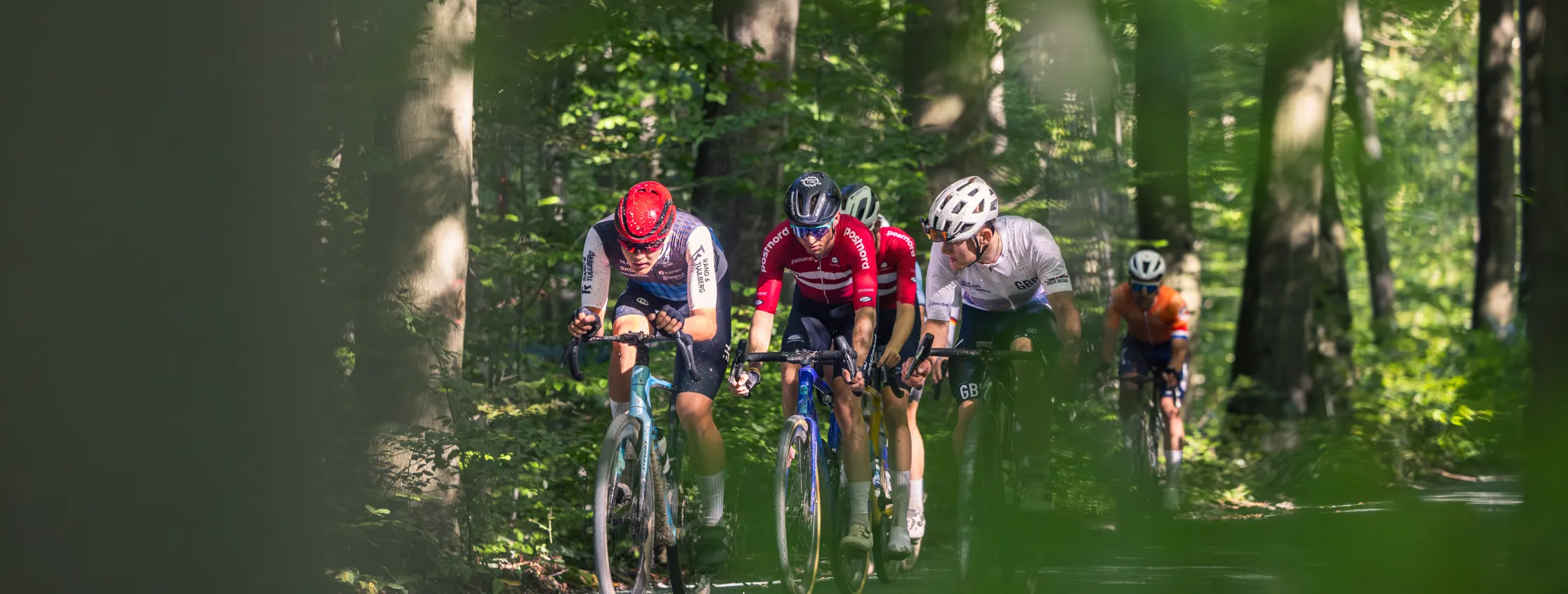
This study aims to create a scientifically grounded framework for regulating recreational activities in Brussels’ special conservation areas. It examines impacts on 63 animal species, 7 plant species, and 10 habitats, using literature review. Analysis of more than 70 documents shows that most recreational activities negatively affect protected species and habitats. Impacts range from stress and behavioral changes—observed across all wildlife groups—to more serious effects on reproduction and survival. Flora and habitats are also harmed through trampling, picking, introduction of invasive species, soil compaction, and pollution from animal excrement. Long-term population-level effects remain poorly studied.
Based on these findings, the study proposes several recommendations for Brussels, including:
- systematic leash requirements for dogs;
- bans on off-trail walking;
- seasonal, event-based or permanent closures of certain paths to protect sensitive species such as roe deer, honey buzzards, bats, and salamanders;
- stronger awareness efforts targeting visitors and event organizers.
Key limitations include a lack of data for many species, difficulty defining precise pressure thresholds (e.g., maximum visitor numbers), and insufficient understanding of cumulative impacts—an important issue in densely populated cities like Brussels.
Photo: Maxim Bervoets